柴允. (2023). 复杂网络中信息扩散的建模、溯源与控制研究. 南京邮电大学.
惠文婕, & 宣小红. (2025). 人工智能融入教育活动的制度准则——基于“载体—理型—目的”框架的分析. 中国远程教育(2), 92-107.
彭兰. (2018). 假象、算法囚徒与权利让渡:数据与算法时代的新风险. 西北师大学报(社会科学版)(5), 20-29.
沈健, & 罗强. (2023). 数据治理下的区域教育质量监测数据分析系统探究. 中国教育信息化(4), 77-85.
童莉莉. (2024). 数字教育应用监管如何“向善”而行. 新华文摘(5), 117-119.
王国华, 田梁浩, & 俞树煜. (2024). 基于生理计算的认知负荷测评:动因、关键问题与特征——兼论认知状态评估的生理计算框架. 数字教育(6), 23-28.
王卫. (2024-6-3). 欧盟理事会正式批准《人工智能法案》. 法治日报(6).
肖红军. (2022). 算法责任:理论证成、全景画像与治理范式. 管理世界(4), 200-226.
新华社. (2025-1-19). 中共中央 国务院印发《教育强国建设规划纲要(2024—2035年)》. 中华人民共和国中央人民政府网站. https://www.gov.cn/zhengce/202501/content_6999913.htm
杨宗凯. (2024). 秉持“3I”新理念纵深推进教育数字化. 中国远程教育(12), 3-14.
Apellániz, P. A., Jiménez, A., Galende, B. A., Parras, J., & Zazo, S. (2024). Synthetic tabular data validation: A divergence-based approach. IEEE Access, 12, 103895-103907.
Fahad, A., Alshatri, N., Tari, Z., Alamri, A., Khalil, I., Zomaya, A. Y., Foufou, S., & Bouras, A. (2014). A survey of clustering algorithms for big data: Taxonomy and empirical analysis. IEEE Transactions on Emerging topics in computing, 2(3), 267-279.
Fortes, P. R. B., Baquero, P. M., & Amariles, D. R. (2022). Artificial intelligence risks and algorithmic regulation. European Journal of Risk Regulation, 13(3), 357-372.
Kulal, S., Pasupat, P., Chandra, K., Lee, M., Padon, O., Aiken, A., & Liang, P. (2019). Spoc: Search-based pseudocode to code. In H. Wallach, H. Larochelle, A. Beygelzimer, F. d’Alché-Buc, E. Fox, & R. Garnett (Eds.), Advances in neural information processing systems 32 (pp. 1-12). Curran Associates, Inc.
Samala, A. D., Rawas, S., Criollo-C, S., Bojic, L., Prasetya, F., Ranuharja, F., & Marta, R. (2024). Emerging technologies for global education: A comprehensive exploration of trends, innovations, challenges, and future horizons. SN Computer Science, 5, 1175.
Sun, X. Y., Ye, B., & Xia, B. H. (2025). The problem of fairness in tools for algorithmic fairness. AI and Ethics, 5, 1847-1857.
Ulbricht, L., & Yeung, K. (2022). Algorithmic regulation: A maturing concept for investigating regulation of and through algorithms. Regulation & Governance, 16(1), 3-22.
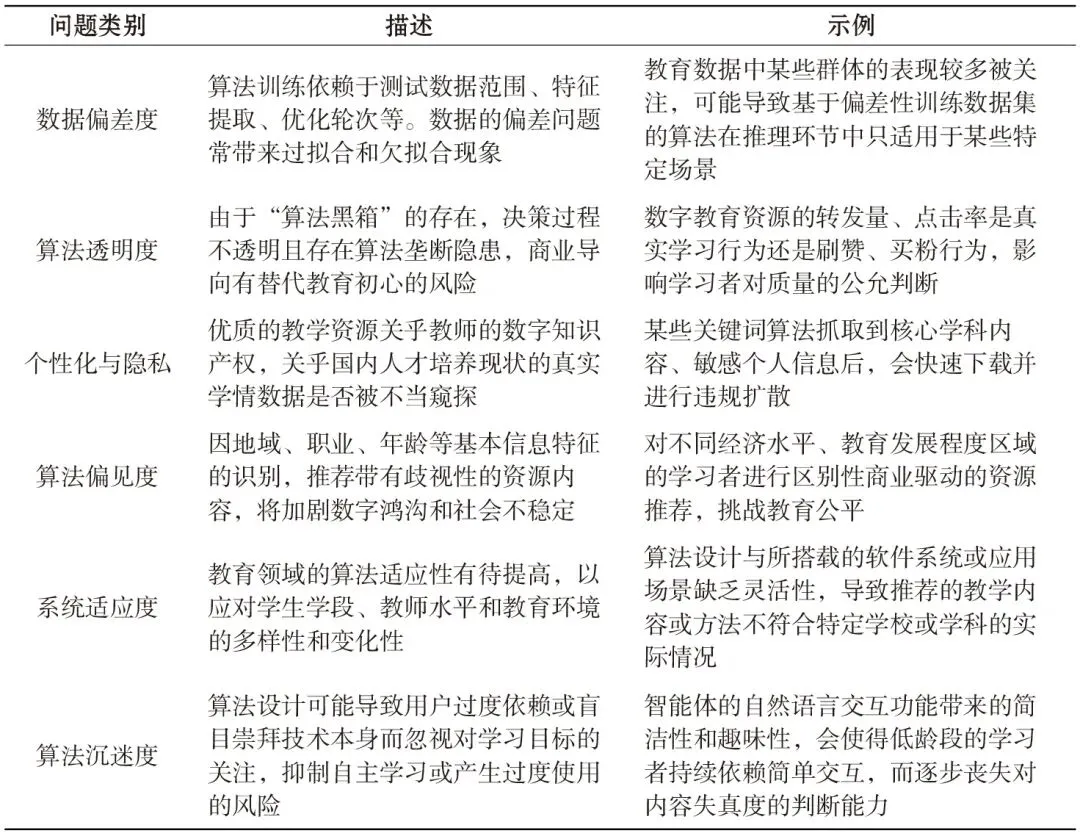
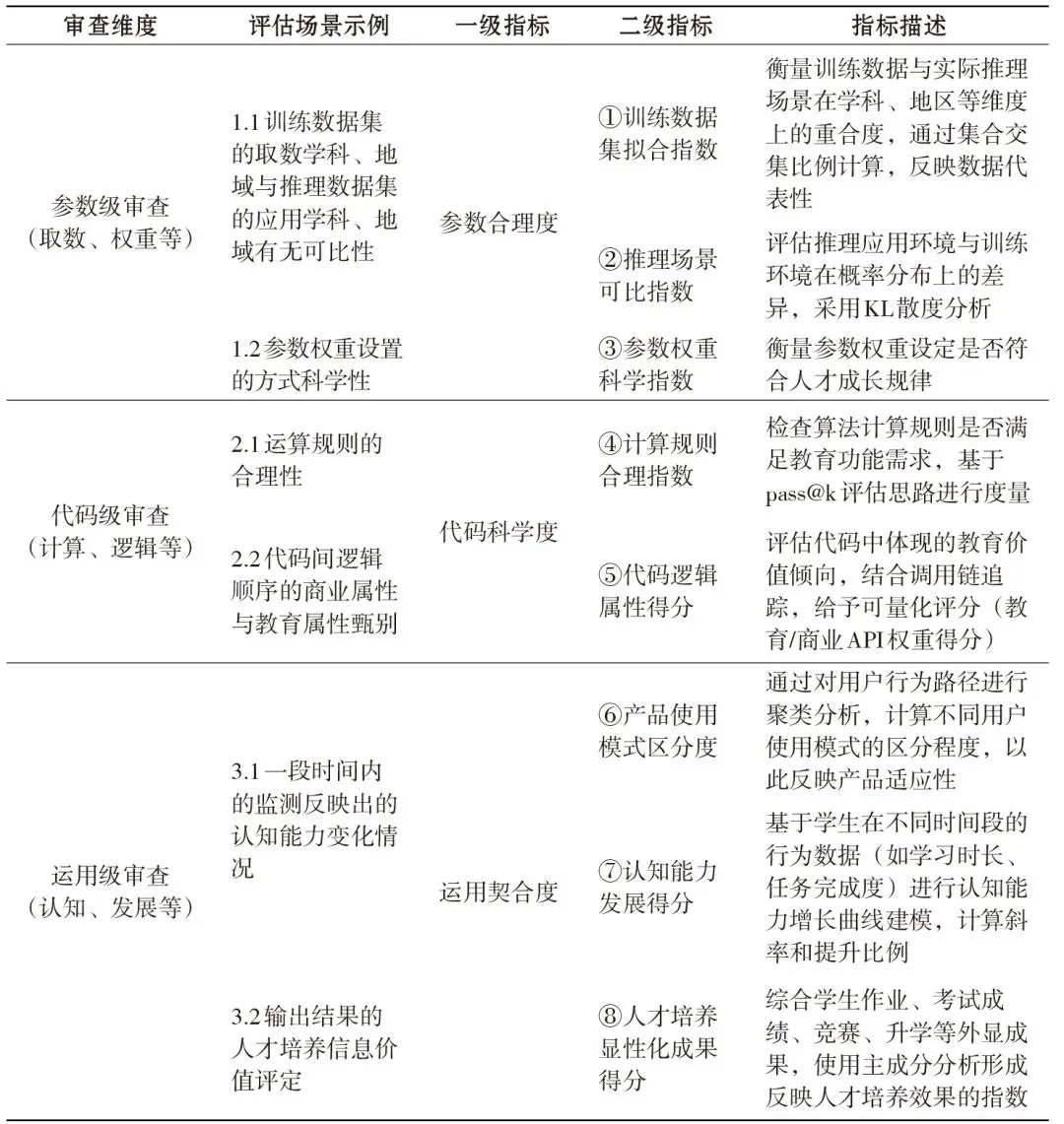


 )指标(Fahad et al., 2014)来评估不同簇(Cluster)之间的分离程度。设簇
 数值越高表示用户使用模式之间的区分度越大,反映了算法支持下的使用行为多样性。第二项为认知表现的变化速率。第三项基于学习成果变量构建主成分分析(PCA),其主成分得分记为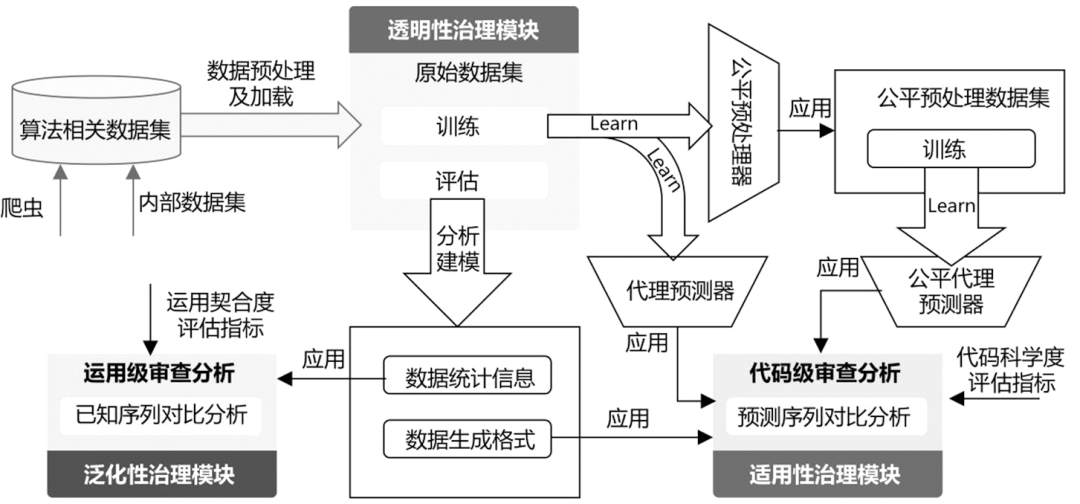





 10个月宝宝每天需要喝多少奶粉?

